For families who celebrate the festive season, Christmas is meant to be fun and relaxed, but it often comes with old expectations for kids. One of the biggest is the idea that kids should hug, kiss or pose for photos with relatives or family friends to be polite or ‘nice.’
Many of us as kids didn’t enjoy it either, doing a dip, weave and ninja roll into the pool to escape a very jolly uncle. Do kids really need to show affection in ways that feel uncomfortable to them, just to keep everyone else happy?

Kids can say no - and it doesn't mean they’re being rude.
- They don’t have to hug anyone.
- They don’t have to give kisses.
- They don’t have to sit on someone’s lap for a photo.
- They don’t have to pose for photos if they don’t want to.
- If the requesting adult gets offended, that’s on them, not the child, and it’s not your job to fix their feelings.
Sorry Aunt Betty, go tell Santa.
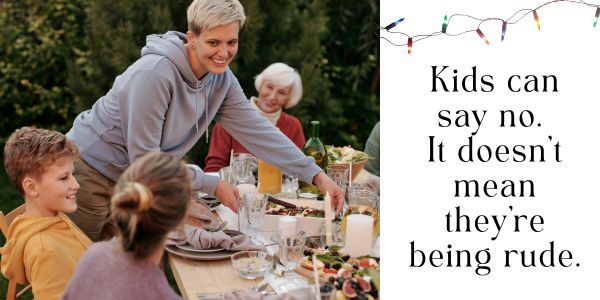
When we support kids to say no respectfully, we’re teaching them that their body belongs to them and that they get to choose how they greet people. It also tells them they don’t have to feel pressured into being nice or hurting someone’s feelings at the expense of their own comfort.
Research backs this:
- 69% of Australians think adults don’t need to ask kids before touching them, according to Act for Kids research.
- More than 36% of parents aren’t sure their child understands consent.
Autistic and other neurodivergent kids can find hugs, touch or forced affection overwhelming. Respecting their boundaries keeps them safe and stops them being pushed into something that doesn’t feel right or fills them with dread.
Starting this approach early with kids teaches them confidence.
When kids feel safe to say no at home and around family without worrying, they learn to trust their instincts and set boundaries in other parts of their life.
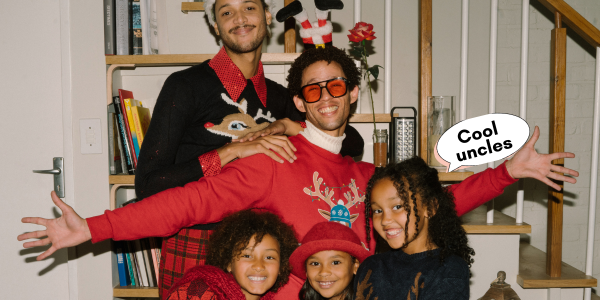
You can support and normalise those boundaries by backing them up with something like:
• 'We let Darby say hello in whatever way he’s comfortable.’
• ‘Looks like hugs aren’t where Stella’s at today.’
• ‘A wave or a high five is fine for him right now.’
• ‘They are saying no to a photo today and that’s OK.’
• ‘She’s not doing kisses today. A hello is enough.’
Backing their choice is what makes the message clear for adults and safe for your kids.
It’s not about causing a scene - even though you might be copping eyerolls from family who think you’re being dramatic - it’s about empowering your kids to feel safe saying no and knowing their boundaries matter.
Christmas can still be fun, loving and connected, it just takes the pressure out of the day and lets everyone own their choices, equally.